Navigating the NHS: Innovation in public healthcare
Available in:
EN
A Frimley Health Case Study
In early 2024, Frimley Health National Health Service (NHS) Foundation Trust equipped its outpatient physiotherapy practitioners with ForceDecks. This article outlines their experience integrating assessment technology within the NHS and shares key insights and recommendations for organizations implementing technology in public healthcare.
This article outlines [Frimley Health’s] experience integrating assessment technology within the NHS, [sharing] key insights and recommendations…
Force plates are widely used in elite sport to assess asymmetries, deficits and return-to-play readiness. Today, their impact extends beyond sports and performance environments. Across healthcare, advanced testing technology (e.g., ForceDecks) enables objective assessment, improving patient engagement and bringing greater clarity to rehabilitation providers.
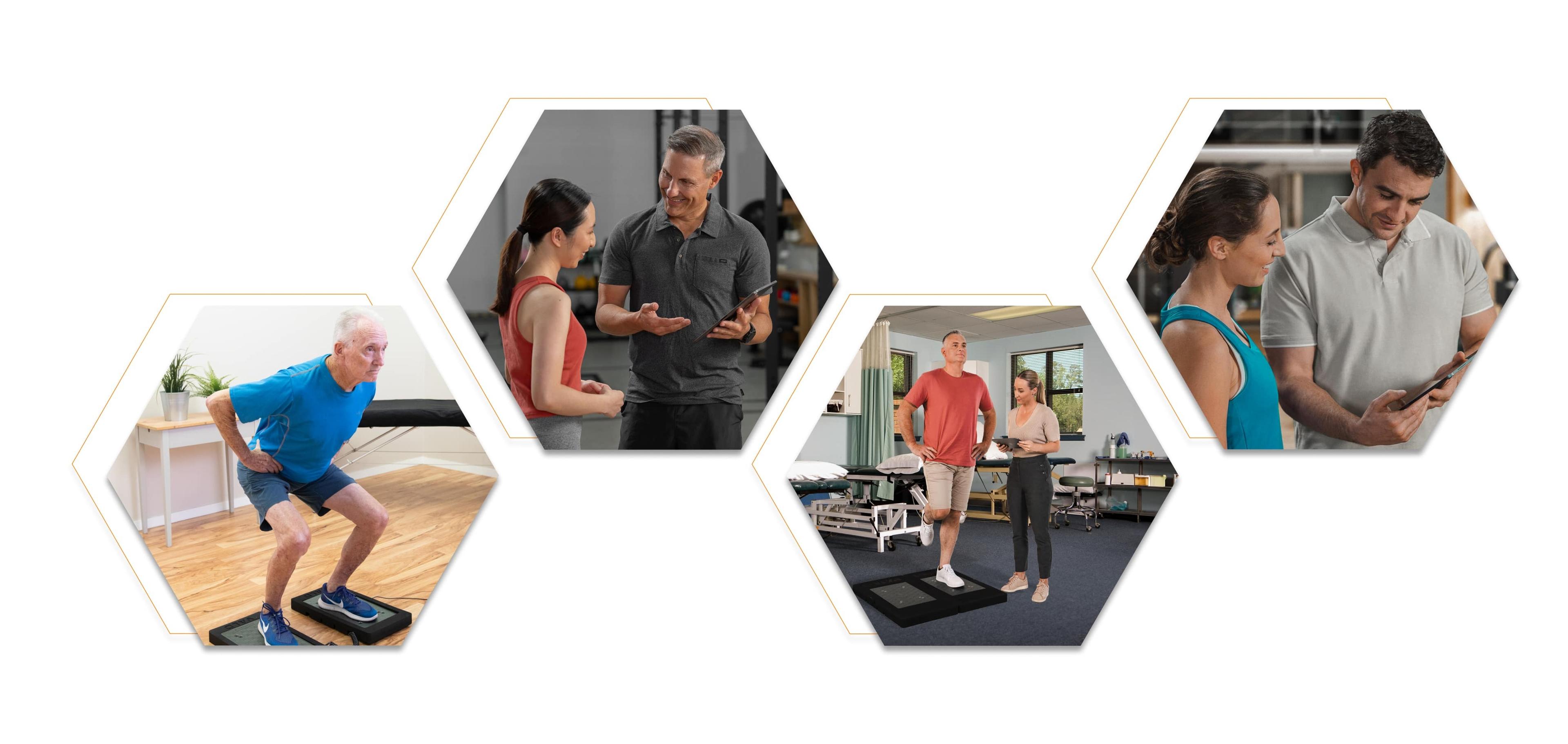
Force plates provide key assessment data, helping practitioners educate patients and prescribe interventions.
Creating Clinical Alignment
The first step in integrating any new technology involves creating a clinical justification for changing the current clinic structure. ForceDecks has become a leading technology in both performance and rehabilitation. However, for technology to be successful in large healthcare systems like the NHS, practitioners must provide high-quality evidence of future impact.
| Clinical Success Criteria | Practical Reasoning | Technology-Specific Benefit |
| Improves Patient Experience | Technology investment must elevate patient experience to deliver a better service, improving word of mouth and reputation. | Provides objective strength, balance and asymmetry data that identify deficits early, guiding targeted interventions, improving rehabilitation efficiency and increasing patient satisfaction. |
| Supports Clinically Interpretable Data | Technology must not distract from clinical practice. Tests must be easy to implement and explain within appointment timeframes. | Offers simplified dashboards, trend tracking and report templates that enable quick, evidence-based decision-making during NHS appointments. |
| Promotes Evidence-Based Practice Aligned with Governing Guidelines | Technology must integrate with established care pathways to avoid disrupting clinical workflow or placing excessive burden on NHS staff. | Supports evidence-based assessments aligned with functional outcomes recognized by the National Institute for Health and Care Excellence (NICE) and Chartered Society of Physiotherapy (CSP) frameworks. |
| Enhances Clinical Workflow | Technology investment should come with benefits beyond basic data gathering. | Integrates testing, reporting and data storage in a single workflow, reducing administrative burden and duplication of effort. |
| Supports Patient Engagement | Patient engagement is a key variable for clinical success. Improving engagement ultimately improves outcomes. | Provides visual, objective feedback – both in-session and remotely – helping patients track progress and stay engaged with their recovery plan. |
These considerations and requirements were integral for the Frimley Health therapists to address prior to submitting their proposal to the Trust for funding.
Securing Funding
Securing funding is often the most challenging – yet unavoidable – step when implementing new technology in public healthcare. To move forward, Frimley Health therapists needed to identify the right funding pathway and demonstrate that investing in objective measurement could improve patient outcomes, streamline workflows and deliver measurable value to the Trust.
…Frimley Health therapists needed to identify the right funding pathway and demonstrate that investing in objective measurement could improve patient outcomes, streamline workflows and deliver measurable value…
Their opportunity came through the CEO Change Challenge, an annual Trust-wide initiative designed to support innovation that benefits patients and teams across the organization. The process involved two rounds: an initial written application followed by a five-minute pitch to senior executives.
During preparation, the team developed a concise, evidence-based proposal outlining how technology-enabled assessment could address several key priorities:
- Patient engagement
- Workforce sustainability
- Outcome transparency
- Provider reputation
- Return on investment (ROI)
The Frimley Health team positioned ForceDecks as a solution to existing gaps within NHS assessment processes – providing a scalable way to deliver evidence-based rehabilitation, objective progress tracking and injury-risk reduction.
The Frimley Health team positioned ForceDecks as a solution to existing gaps within NHS assessment processes…
To demonstrate real-world impact, the Change Challenge pitch provided well-rounded information detailing how ForceDecks could guide future rehabilitation plans. Presenters addressed the following topics:
- Early detection of balance and strength deficits missed by standard NHS pathways
- Informed, data-driven return-to-sport decisions
- Enhanced patient engagement through clear visual progress tracking
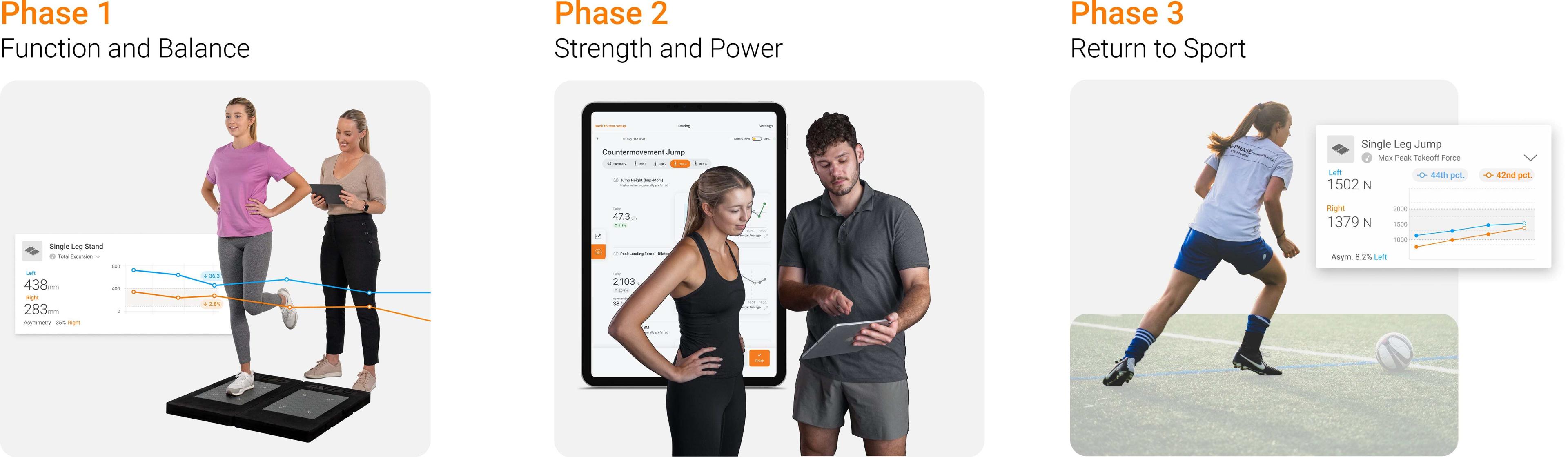
Frimley Health therapists created a case study demonstrating the utility of ForceDecks throughout the rehabilitation process.
By presenting both clinical relevance and economic value, the team secured executive support. The pitch established ForceDecks as a cornerstone of Frimley Health’s modern rehabilitation framework – linking objective measurement to better outcomes, greater practitioner efficiency and enhanced patient trust.
Tackling Data Governance
With funding secured, NHS systems required strict data security and privacy restrictions for any system that stores or processes patient data.
After collaborating between IT departments and troubleshooting data security considerations, NHS and VALD resolved data security and patient privacy concerns in accordance with NHS Digital’s Data Security and Protection (DSP) Toolkit.
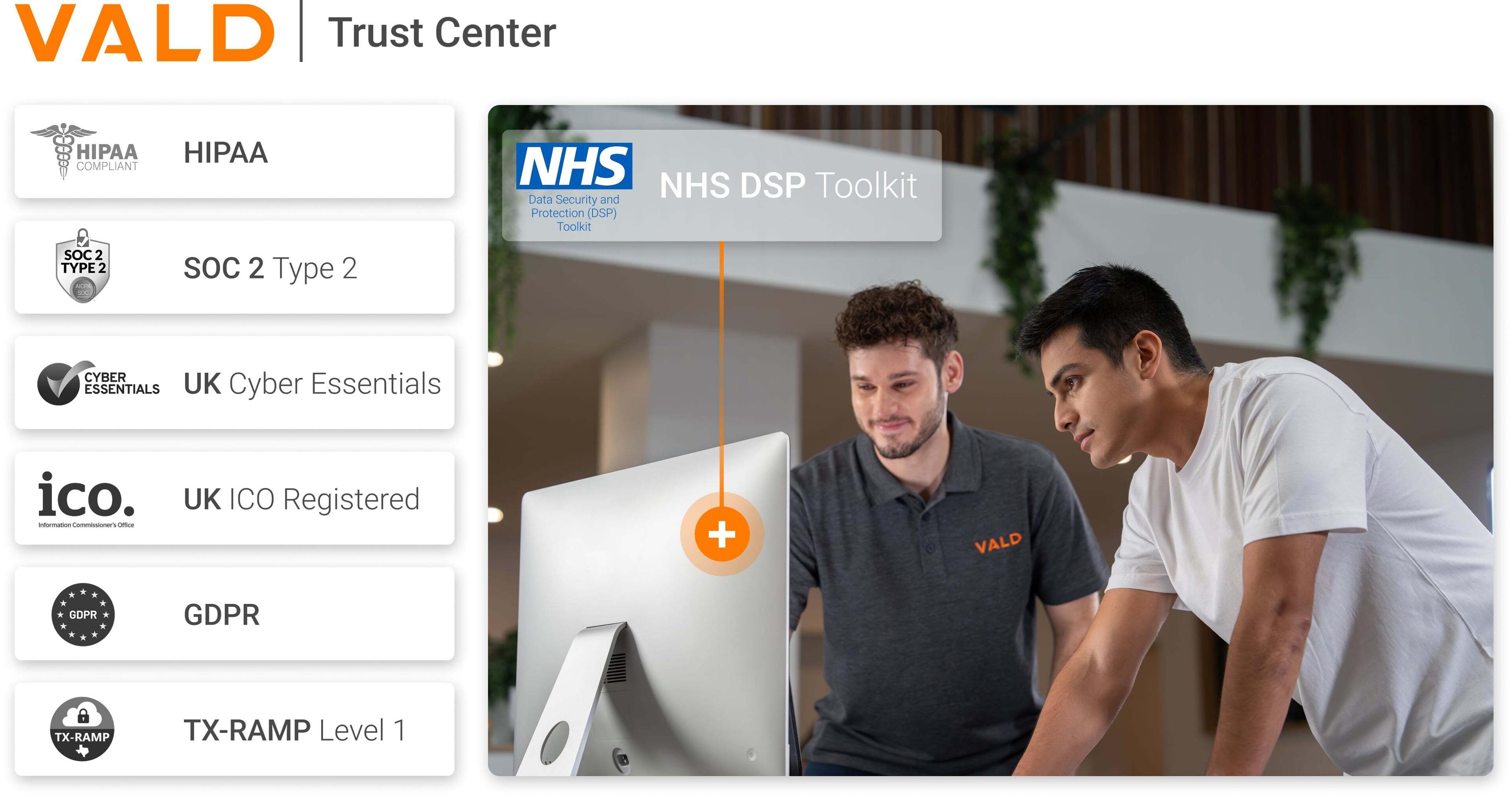
These security measures enabled ForceDecks’ integration within the NHS and established pathways to support further technology adoption. Implementing these processes early contributed to futureproofing the NHS’ broader digital health strategy. established pathways to support future technology adoption.
[Data] security measures enabled ForceDecks’ integration…and established pathways to support future technology adoption.
VALD clients can learn more about our commitment to data security at trust.vald.com.
Training Staff and Building Confidence
Integrating new technologies requires practitioner competence in procedures like basic assessments, data uploads and data retrieval. With limited technology and biomechanics experience, some practitioners were hesitant to adopt, worrying that it might slow down their current workflow.
However, with access to VALD Resources – such as onboarding service calls, VALD Academy, Knowledge Base and the Practitioner’s Series – Frimley Health practitioners developed confidence in the technology and saw clear benefits.
…with access to VALD Resources…Frimley Health practitioners developed confidence in the technology and saw clear benefits.
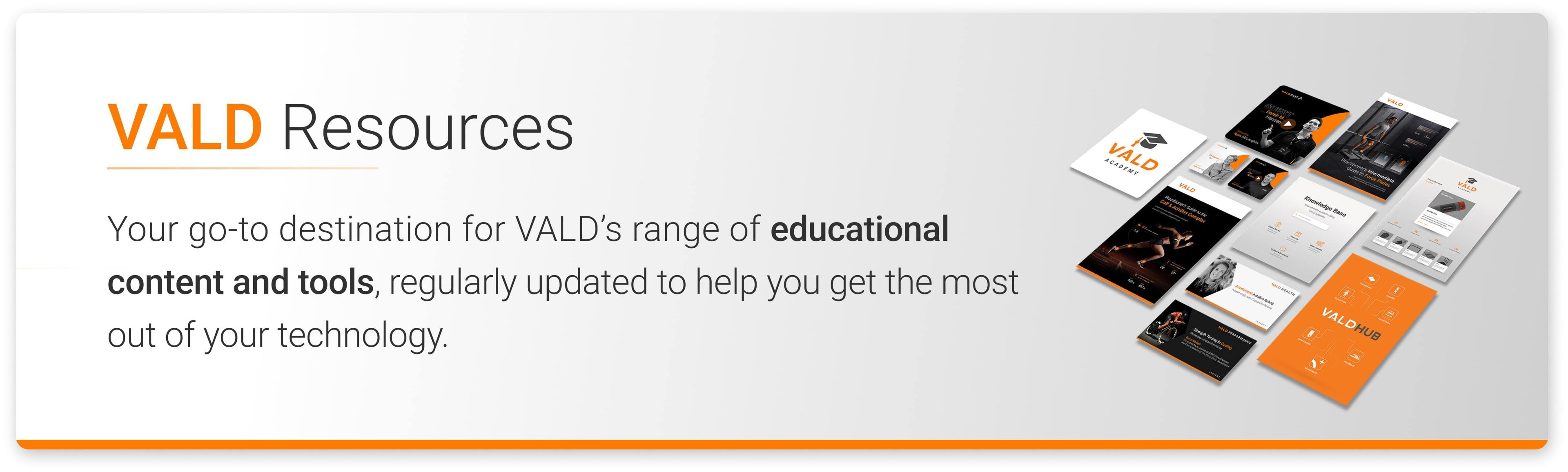
This layered approach accelerated staff knowledge and application of technology. ForceDecks became part of normal staff workflows, further solidifying continuity of care.
Embedding Technology into Clinical Pathways
The meaningful application of technology comes from understanding when and why to test, not just how. Practitioners at Frimley Health have now established post-operative and non-operative protocols to streamline data collection and optimize clinical outcomes.
| Population | Testing Approach | Purpose and Application |
| Anterior Cruciate Ligament Reconstruction | CMJ, single leg jump, drop jump, single leg drop jump and isometric mid-thigh pull integrated throughout rehabilitation | Guides rehabilitation progression and return-to-sport readiness |
| Achilles Tendon Repair | Standing and seated isometric calf raise | Tracks recovery, strength development and load tolerance over time |
| Non-Surgical Lower-Limb Injuries | Squat and single leg squat assessments | Evaluates lower extremity strength, control and asymmetry to inform exercise progression |
Patient Impact and Feedback
Patients described ForceDecks testing as “motivating” and “professional.” Seeing their own data on screen helped them understand their unique deficits, buy into treatment and track improvement over time.
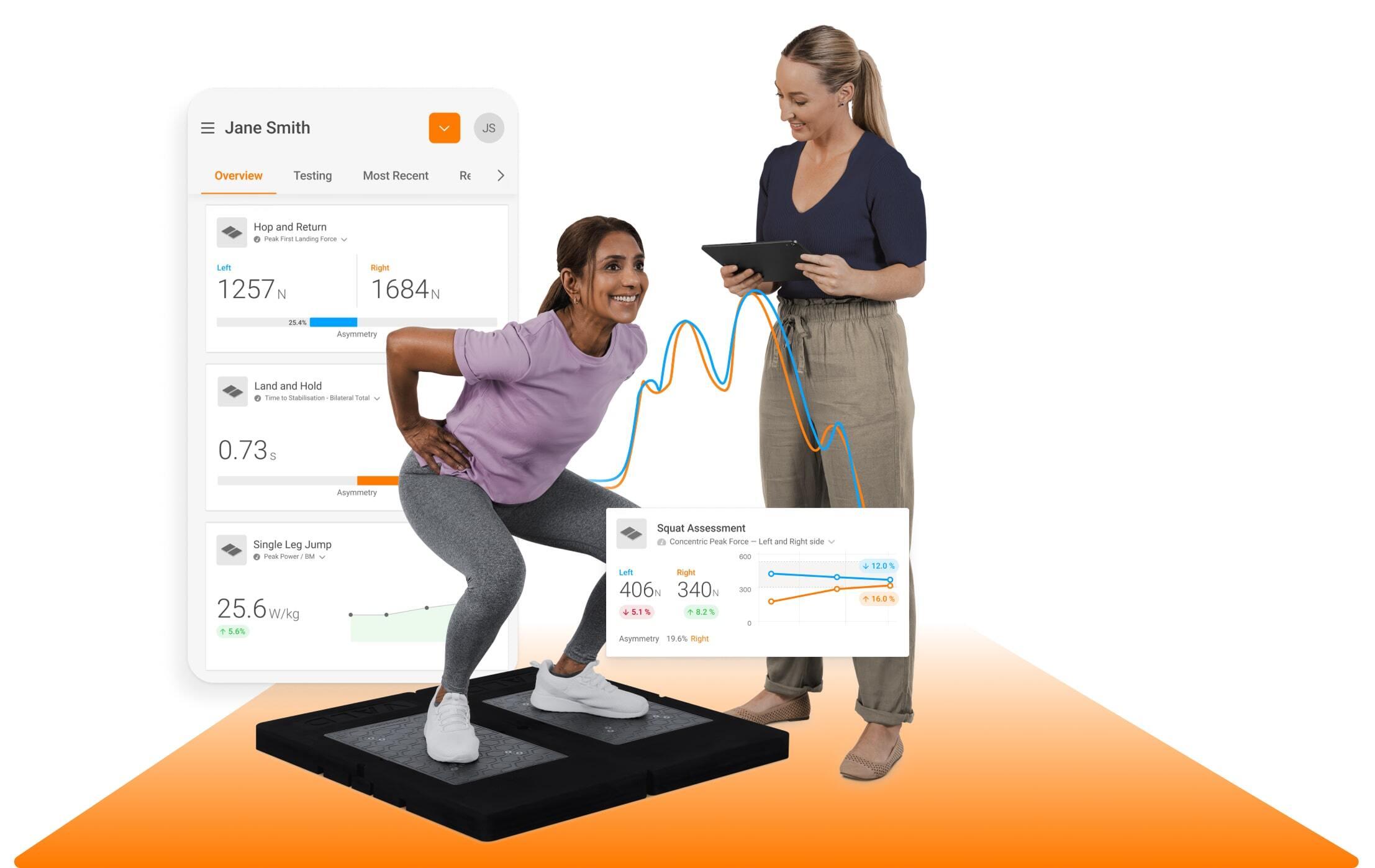
Patient performing a squat assessment on ForceDecks, with the practitioner reviewing real-time results.
One patient recovering from a hamstring injury said:
“The data reassured me. After seeing my improvement from week to week, my confidence and trust in our rehabilitation plan were set, and I felt encouraged to keep going.”
Seeing their own data on screen helps patients understand their deficits, buy into treatment and track improvement over time.
Seeing their own data on screen helps patients understand their deficits, buy into treatment and track improvement over time.
A Newly Proven Model
Frimley Health’s implementation efforts set a precedent, leading other NHS Trusts to adopt similar approaches and achieve comparable success in client outcomes, engagement and research through technology.
Lessons Learned
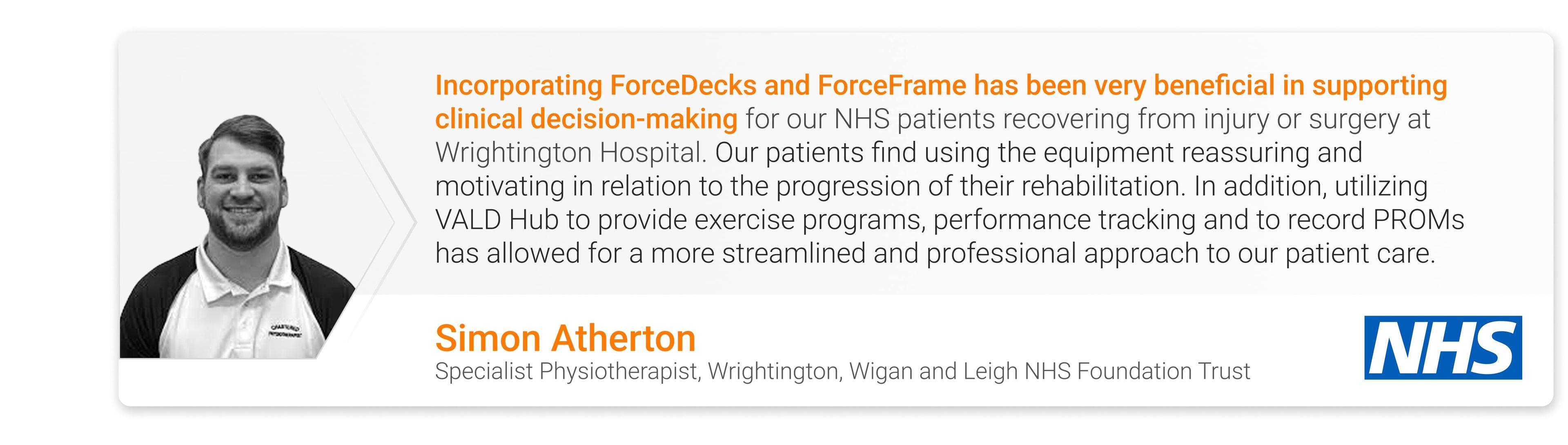
Thanks, in part, to the efforts of the Frimley Health and other early adopters, multiple NHS Trusts have adopted VALD technology to elevate the standard of care in public-service physiotherapy. Frimley Health’s experience reveals key takeaways for future facilities adopting VALD technology:
- Start with Clinical Alignment: Ensure use cases align with current care pathways.
- Secure Funding: Align proposals with clinical and economic solutions, ideally using real patient case studies and ROI analyses.
- Involve Data Security: Work with IT and data teams to ensure data is secure and properly embedded into systems and servers.
- Invest in Layered Training: Combine onboarding, external speakers and ongoing in-service support.
- Embed and Apply the Data: Create testing workflows and frameworks to streamline the data collection process.
Through careful planning, collaboration and education, technology can elevate patient care and make data-driven rehabilitation a practical reality across public healthcare.
If you are looking to enhance rehabilitation outcomes, boost patient engagement and integrate VALD’s human measurement technology into your clinical workflows – like Frimley Health and other NHS Trusts – our team is here to help.
